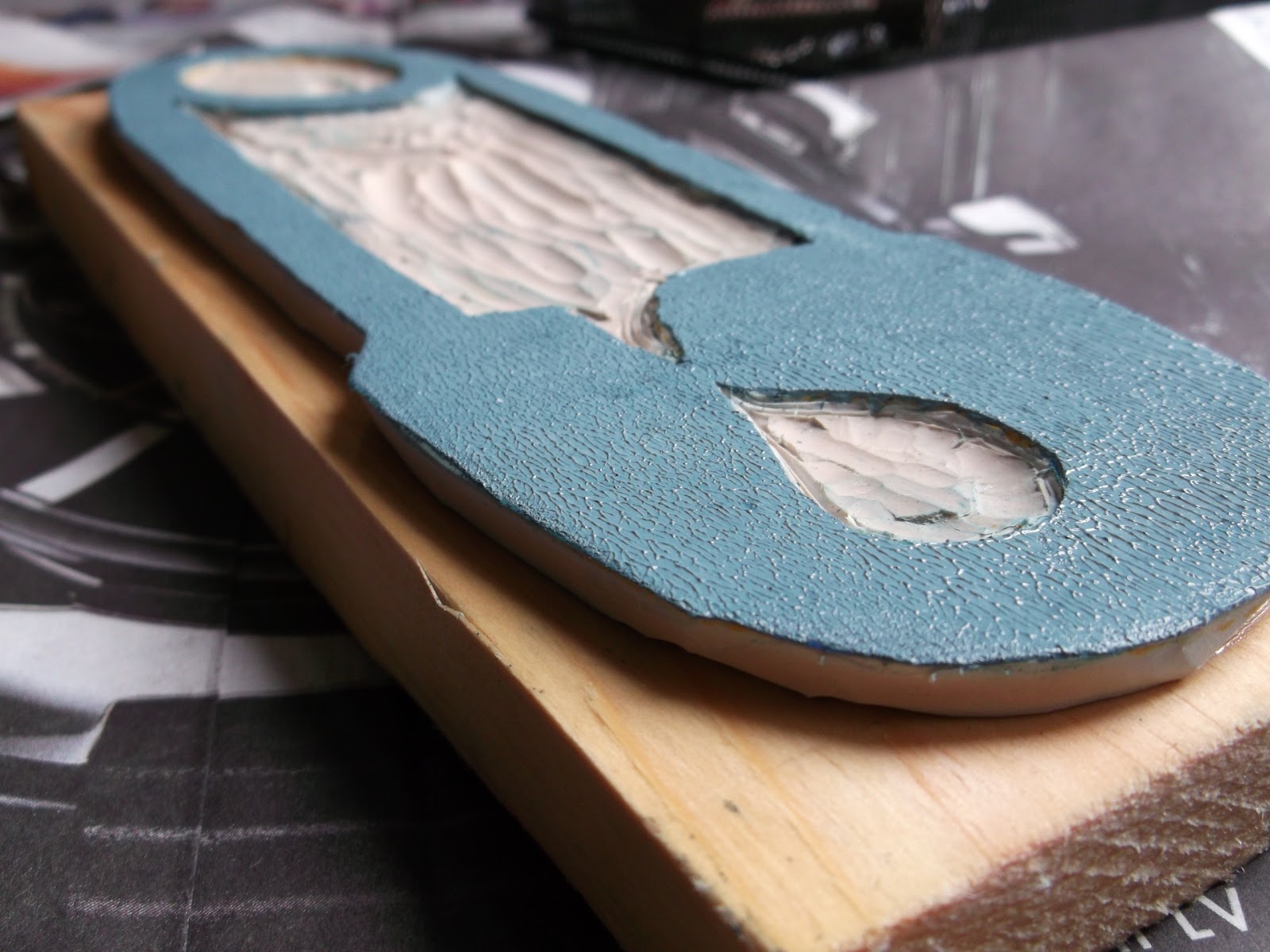
I've been cutting new blocks and stencils for Summer clothes. It's so cool to see the magic of printing. You're never sure exactly how the print will come out and yet it's almost always something workable if not outright pleasing. I'm starting to over-dye or tea-stain some pieces as well. Really nice look.![]()
Monday, June 20, 2011
Thursday, June 9, 2011
Wednesday, June 8, 2011
slipdress
Sunday, June 5, 2011
My tee designs are headed for upcycling. Different sleeves maybe, hoods ,skirts? This could or should be this week's project (after unpacking from the Burlington Craft Fair)
Then of course there are those slip dresses ready to be made. Found lots of lace doilies at the church rummage sale and can't wait to use them. I promised myself the posting of more photos each week and lace will appear in them no doubt.
Friday, May 27, 2011
Queen City Craft Bazaar
I'm crazy busy getting ready for Queen City Craft Fair in Burlington. Realized I should probably stop sewing and do inventory and tag. Counted out 72 pieces with no sewn-in tags, and all of the clothes need price and content tags. AAAAAAAAAAAAH.
I'm feeling proud though that there's this much inventory in the first place. Lots of funkier pieces with the more basic ones. Hopefully something for everyone
Friday, May 13, 2011
Vivienne Westwood Believes in Quality Over Quantity, Also Art Galleries
“What I’m really saying is, buy less and choose well. I would like quality rather than quantity. I don’t believe growth is okay if it means one man’s advantage is another man’s disadvantage. I try to concentrate on quality clothing and accessories that are worth having, and to get my people to take less trips by air and stay longer each time they travel. It’s more human, especially if they take time to visit an art gallery while there.”
—Legendary fashion designer Vivienne Westwood, speaking in the June 2011 issue of British Marie Claire
MAIWA HANDPRINTS
http://www.maiwa.com/stores/main/slow_clothes.html
I often post information from Maiwa even though they are not an upcycling site. Maiwa works directly with village craftspeople to create viable livelihoods and to sustain the voice of handcraft in all its complexity and simple necessity. They help local economies, preserve craft methods and materials and bring beautiful things to and from other cultures.
http://www.maiwa.com/stores/main/slow_clothes.html
I often post information from Maiwa even though they are not an upcycling site. Maiwa works directly with village craftspeople to create viable livelihoods and to sustain the voice of handcraft in all its complexity and simple necessity. They help local economies, preserve craft methods and materials and bring beautiful things to and from other cultures.
Thursday, May 12, 2011
"HAND/EYE is an independent, international publication which explores the nexus between design and development, culture and commerce, art and craft, and environment and ethics. HAND/EYE’s goal is to engender intelligent debate among artisans, exporters, designers, artists, wholesalers and importers, retailers, and consumers so that all may make smart, ethical, and inspired decisions about their activities."
Saturday, April 16, 2011
The Rise of Recycled and Re-Fashioned Clothes
By Ceri Heathcote
http://ezinearticles.com/?The-Rise-of-Recycled-and-Re-Fashioned-Clothes&id=2365690
Go to London Fashion Week or any big fashion event in the UK and you are sure to see some Eco fashion of one sort or another. Eco fashion is big business, with consumers becoming increasingly aware of the impact that there fashion choices have on the environment. Recycling and refashion of old clothes is the latest trends in eco fashion. Many would say it is the most environmentally friendly eco fashion of all. It reduces clothing waste as well as reducing the impact of manufacturing of new clothing.
Recycling of clothes is nothing new. The second hand clothing and vintage clothing industries have shown huge growth in the last few years, but what is really on the rise is the refashioning of second hand and vintage clothing. Whilst many love second hand and vintage clothing just as they are, refashioning them into new pieces has the benefits of creating completely unique, designer and cutting edge.
The great thing about recycled and refashioned clothing is the way that old clothes, styles and fabrics inspire the designers to create something gorgeous and new. The new designs keep a bit of the history of the clothing from which they were made but also give consumers something fresh and exciting.
The labels blazing a trail in the field of refashioned and restyled clothes include Junky Styling, which started by deconstructing traditional suits from charity shops and jumble sales and reconstructed them to form twisted tailored pieces. There are so many different companies designers finding great ways to recycle clothes and accessories including turning old saris into sandals and leather jackets into hand bags.
DIY restyling and refashioning of clothes has also become hugely popular from dying old prom dresses and wedding dresses, to changing shirts into dresses and jeans into skirts. There are a number of online communities dedicated to restyling and refashioning of clothes.
Recycling and restyling of clothes is also getting further publicity through initiatives like alternative fashion week which has a strong emphasis on eco fashion and the choice of fashion graduates to use recycled materials in their final year projects and graduation shows.
Recycling of clothes is nothing new. The second hand clothing and vintage clothing industries have shown huge growth in the last few years, but what is really on the rise is the refashioning of second hand and vintage clothing. Whilst many love second hand and vintage clothing just as they are, refashioning them into new pieces has the benefits of creating completely unique, designer and cutting edge.
The great thing about recycled and refashioned clothing is the way that old clothes, styles and fabrics inspire the designers to create something gorgeous and new. The new designs keep a bit of the history of the clothing from which they were made but also give consumers something fresh and exciting.
The labels blazing a trail in the field of refashioned and restyled clothes include Junky Styling, which started by deconstructing traditional suits from charity shops and jumble sales and reconstructed them to form twisted tailored pieces. There are so many different companies designers finding great ways to recycle clothes and accessories including turning old saris into sandals and leather jackets into hand bags.
DIY restyling and refashioning of clothes has also become hugely popular from dying old prom dresses and wedding dresses, to changing shirts into dresses and jeans into skirts. There are a number of online communities dedicated to restyling and refashioning of clothes.
Recycling and restyling of clothes is also getting further publicity through initiatives like alternative fashion week which has a strong emphasis on eco fashion and the choice of fashion graduates to use recycled materials in their final year projects and graduation shows.
Tuesday, April 5, 2011
Here's a skirt from Gibbous Clothing, that I want desperately. I'm trying to figure out how to make something like it.
Gibbous Clothing makes upcycled clothing from vintage finds. Incomparable!
Men's jackets are unlike anything you've ever seen
http://www.gibbousfashions.com /.
Gibbous Clothing makes upcycled clothing from vintage finds. Incomparable!
Men's jackets are unlike anything you've ever seen
http://www.gibbousfashions.com
Sunday, March 27, 2011
Thursday, March 24, 2011
The Triangle Shirtwaist Company
Remembering the Triangle Shirtwaist Company March 25, 1911
The fire at the Triangle Shirtwaist Company in New York City, which claimed the lives of 146 young immigrant workers, is one of the worst disasters since the beginning of the Industrial Revolution. This incident has had great significance to this day because it highlights the inhumane working conditions to which industrial workers can be subjected. To many, its horrors epitomize the extremes of industrialism. The tragedy still dwells in the collective memory of the nation and of the international labor movement. The victims of the tragedy are still celebrated as martyrs at the hands of industrial greed.
The Triangle Shirtwaist Company was a typical factory in the heart of Manhattan. Low wages, excessively long hours, and unsanitary and dangerous working conditions were the hallmarks of sweatshops. Many of the Triangle factory workers were women, some as young as 14 years old. They were, for the most part, recent Italian and European Jewish immigrants
A grand jury acquitted the owners of any wrong doing.
1938 mural by Enest Feeney History of the Needlecraft Industry
The fire at the Triangle Shirtwaist Company in New York City, which claimed the lives of 146 young immigrant workers, is one of the worst disasters since the beginning of the Industrial Revolution. This incident has had great significance to this day because it highlights the inhumane working conditions to which industrial workers can be subjected. To many, its horrors epitomize the extremes of industrialism. The tragedy still dwells in the collective memory of the nation and of the international labor movement. The victims of the tragedy are still celebrated as martyrs at the hands of industrial greed.
Near closing time on Saturday afternoon, March 25, 1911, a fire broke out on the top floors of the Asch Building in the Triangle Shirtwaist Company. By the time the fire was over, 146 of the 500 employees had died.
Workers recounted their helpless efforts to open the ninth floor doors to the Washington Place stairs .They and many others afterwards believed they were deliberately locked—the owners had frequently locked the exit doors in the past, claiming that workers stole materials. For all practical purposes, the ninth floor fire escape led nowhere, certainly not to safety, and it bent under the weight of the factory workers trying to escape the inferno. Others waited at the windows for the rescue workers only to discover that the firefighters' ladders were several stories too short and the water from the hoses could not reach the top floors. Many chose to jump to their deaths rather than to burn alive.
A grand jury acquitted the owners of any wrong doing.
1938 mural by Enest Feeney History of the Needlecraft Industry
I'm trying to get through the piles of red, pink and orange clothing segments. Black and white is calling to me but I think cool colors take precedent right now. Anything with long sleeves will have to wait 'til late summer to get done. Think sundresses, think sundresses, think sundresses. If today were only 30 degrees warmer.
Subscribe to:
Posts (Atom)